Introduction
Fujairah is the only emirate of the United Arab Emirates located entirely along the eastern coast, and its landscape is deeply shaped by the Hajar Mountains and the Gulf of Oman. This geography allowed the region to develop a distinct cultural identity rooted in trade, defense, and early settlement. The Historic sites in Fujairah reflect centuries of resilience, religious devotion, and architectural skill. From ancient mosques to hilltop forts, the Historic sites in Fujairah offer visitors a rare chance to connect with early Emirati life. Today, the Historic sites in Fujairah are carefully preserved and open to the public, making the emirate a rewarding destination for cultural tourism in 2026.
🏰 1️⃣ Fujairah Fort
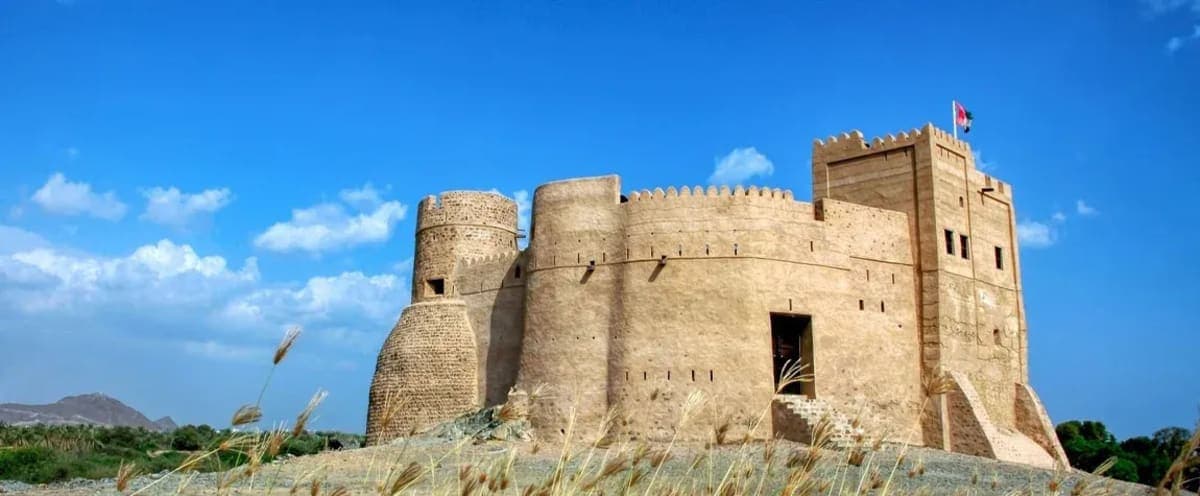
Fujairah Fort is one of the most iconic landmarks in the emirate and dates back to the sixteenth century. Built using stone, mud brick, and plaster, it served as a defensive structure and residence for local rulers. Positioned on a rocky hill, it overlooks the old town and surrounding valleys. Among the Historic sites in Fujairah, this fort stands out for its strategic location and impressive restoration. Visitors exploring the Historic sites in Fujairah often begin here due to its accessibility and historical importance. The fort remains one of the most photographed Historic sites in Fujairah, especially at sunset.
🕌 2️⃣ Al Bidya Mosque
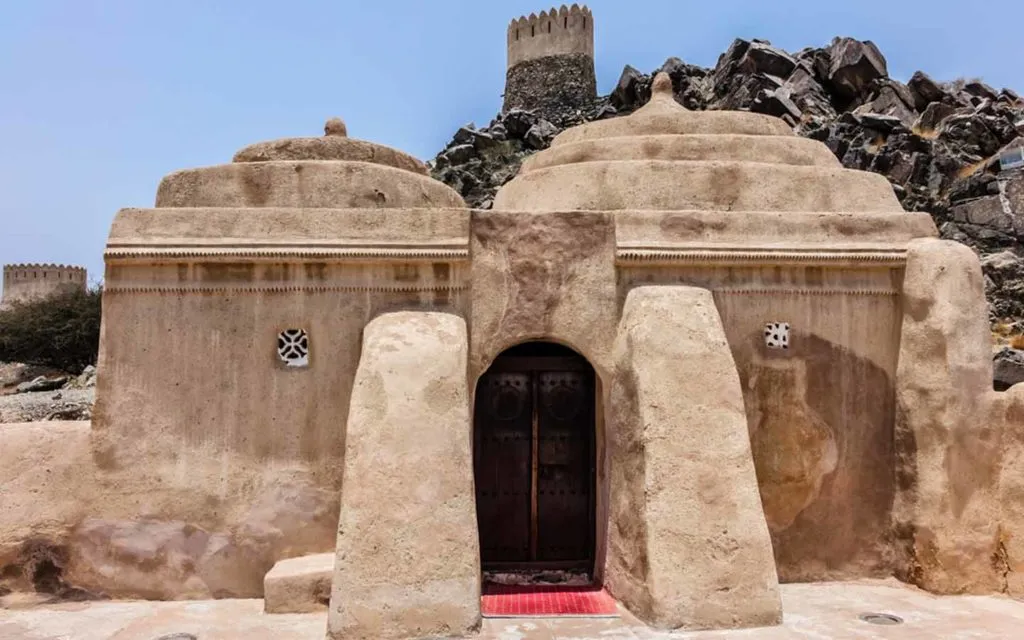
Al Bidya Mosque is widely recognized as the oldest surviving mosque in the United Arab Emirates. Archaeological studies suggest it dates back to the fifteenth century, though some evidence points to even earlier origins. The mosque is built from stone and mud, featuring a unique four dome structure supported by a single central pillar. As one of the most spiritually significant Historic sites in Fujairah, it continues to function as a place of worship. Travelers interested in religious architecture often rank this among the most meaningful Historic sites in Fujairah. Its simplicity distinguishes it from later Islamic buildings found across the Historic sites in Fujairah landscape.
🛡️ 3️⃣ Bithnah Fort
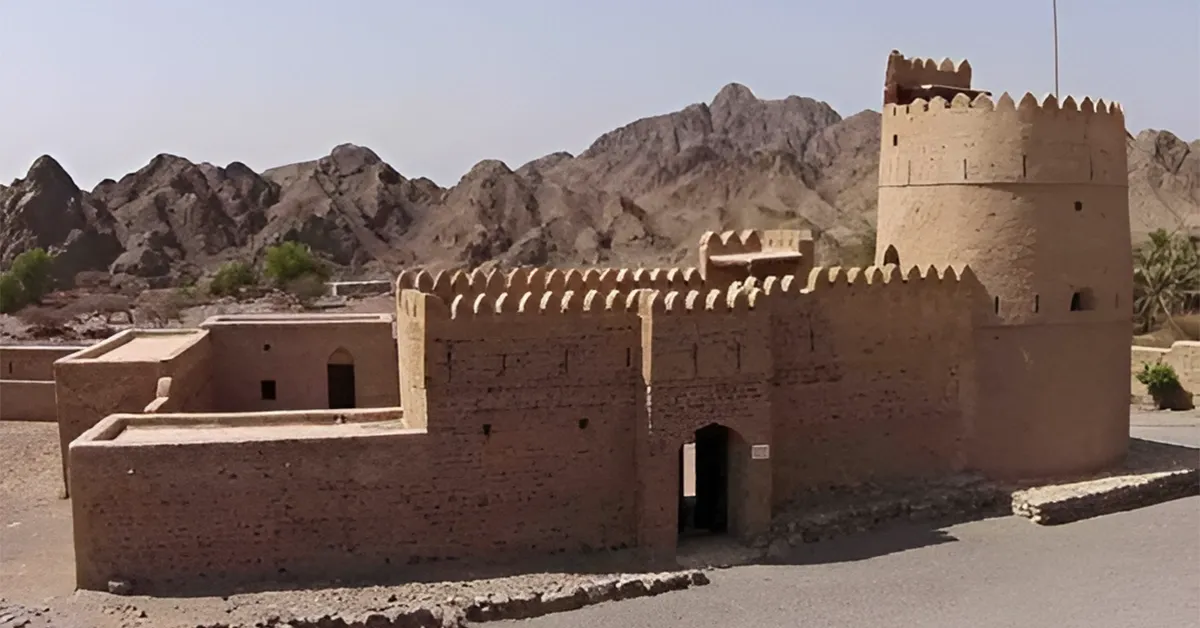
Located near Wadi Ham, Bithnah Fort played a crucial role in protecting trade routes that connected Fujairah with the interior of the country. Constructed in the nineteenth century, the fort features thick walls, watchtowers, and a commanding view of the surrounding plains. Within the Historic sites in Fujairah, Bithnah Fort represents the emirate’s defensive heritage. Visitors exploring the Historic sites in Fujairah gain insight into how mountain passes were controlled and monitored. The fort remains one of the most authentic Historic sites in Fujairah, retaining much of its original structure.
🏛️ 4️⃣ Fujairah Museum
Fujairah Museum houses a rich collection of artifacts that trace human settlement in the region from prehistoric times to the Islamic era. Exhibits include weapons, pottery, jewelry, and archaeological findings from nearby excavation sites. Unlike outdoor landmarks, this museum offers a curated overview of the Historic sites in Fujairah under one roof. Educational displays help visitors understand how the Historic sites in Fujairah are interconnected through trade, culture, and daily life. For researchers and families alike, the museum is an essential stop when exploring the Historic sites in Fujairah in depth.
🏯 5️⃣ Al Hayl Castle
Al Hayl Castle is located inland, surrounded by date palms and mountainous terrain. Built in the early twentieth century, it once served as the residence of the ruling family and a center for local governance. The castle includes living quarters, storage rooms, and lookout points. Among the Historic sites in Fujairah, Al Hayl Castle reflects domestic and administrative life rather than military defense alone. Those touring the Historic sites in Fujairah appreciate the quiet atmosphere and rural setting of this landmark. Its preservation adds valuable context to the broader collection of Historic sites in Fujairah.
🏞️ 6️⃣ Awhala Fort
Awhala Fort is a smaller but historically important structure located near agricultural areas and mountain routes. It was primarily used to protect farms and water sources from raids. The fort’s simple design emphasizes functionality over ornamentation. Within the network of Historic sites in Fujairah, Awhala Fort highlights the importance of resource protection. Visitors exploring lesser known Historic sites in Fujairah often find this location especially insightful. Its role complements the defensive story told by larger Historic sites in Fujairah, such as Fujairah Fort and Bithnah Fort.
🏘️ 7️⃣ Fujairah Heritage Village
Fujairah Heritage Village was developed to showcase traditional Emirati life through reconstructed homes, tools, and crafts. It provides a living history experience rather than a single ancient structure. Artisans demonstrate pottery, weaving, and metalwork techniques used in earlier generations. As part of the Historic sites in Fujairah, the village connects physical landmarks with cultural practices. Families visiting the Historic sites in Fujairah find this location especially engaging and educational. It plays a vital role in preserving intangible heritage alongside other Historic sites in Fujairah.
Conclusion
The emirate of Fujairah offers a deeply rooted historical journey shaped by geography, faith, and resilience. Each fort, mosque, museum, and village tells a verified story supported by archaeological research and official preservation efforts. Exploring the Historic sites in Fujairah allows visitors to understand how early communities lived, defended themselves, and practiced their traditions. In 2026, these landmarks remain accessible, well maintained, and culturally significant. For travelers seeking authenticity and documented heritage, the Historic sites in Fujairah stand as enduring symbols of the emirate’s past and present.
Also Read: Spectacular New Butterfly Gardens Abu Dhabi Opens This January 2026
Image Credits: The featured image has been taken from Go Kite Travel