


💰 1️⃣ Introduction: Understanding Excise Tax in the UAE
The excise tax in the UAE is a crucial aspect of the country’s tax landscape, introduced to regulate specific goods and promote healthier consumption patterns. Established under the Federal Decree-Law No. (7) of 2017 and enforced by the Federal Tax Authority (FTA), this tax has evolved over the years to cover a wider range of products. As of 2026, the excise tax not only affects manufacturers and importers but also retailers and consumers.
The UAE government applies excise tax primarily on products deemed harmful to health or the environment, such as tobacco, energy drinks, carbonated beverages, and luxury goods. Businesses and consumers must understand this tax’s implications to ensure compliance and avoid penalties.
In this article, we’ll explore everything you need to know about the excise tax in the UAE, including its scope, rates, compliance requirements, exemptions, and practical impact on daily life.
🏷️ 2️⃣ What is Excise Tax in the UAE?
The excise tax in the UAE is an indirect tax imposed on certain goods that are harmful to human health or the environment. Unlike VAT, which applies to almost all goods and services, excise tax targets specific categories to discourage excessive consumption.
Key Features of Excise Tax in the UAE:
- Applies only to designated goods.
- Levied at the manufacturer or importer level.
- Pass-through cost usually reflected in retail prices.
- Compliance is monitored and enforced by the FTA.
This targeted approach ensures the UAE aligns with global health initiatives while generating revenue for public health and infrastructure projects.
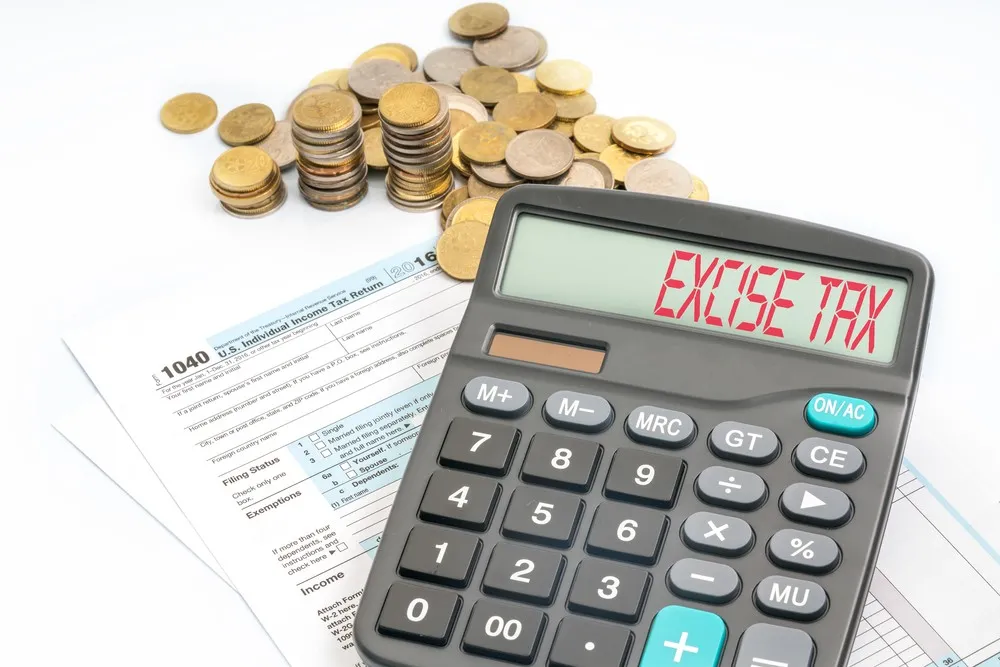
🥤 3️⃣ Products Subject to Excise Tax in the UAE
As of 2026, the excise tax in the UAE applies to a growing list of products. Key categories include:
- Tobacco Products: Cigarettes, cigars, and other tobacco derivatives are taxed to reduce smoking prevalence.
- Carbonated Drinks: Soft drinks and soda beverages are included to discourage excessive sugar consumption.
- Energy Drinks: High-caffeine and high-sugar drinks fall under excise tax due to health concerns.
- Electronic Smoking Devices: Vape products and e-cigarettes are included.
- Luxury and Alcoholic Goods: Certain alcoholic beverages and luxury items are subject to additional tax.
Rates differ depending on the product category. For instance, tobacco products often carry a 100% excise tax, energy drinks 100%, and carbonated drinks 50%. This tiered system ensures the tax aligns with public health objectives.
⚖️4️⃣ How Excise Tax is Calculated
The excise tax in the UAE is calculated based on the retail price or the taxable value at the point of manufacture or import. Businesses must register with the FTA and submit tax returns detailing quantities produced, imported, and sold.
Calculation Example:
- A manufacturer imports 1,000 energy drinks at AED 10 each.
- Excise tax rate: 100%
- Tax payable = 1,000 × AED 10 × 100% = AED 10,000
Understanding this calculation is crucial for businesses to price products correctly and remain compliant with FTA regulations.

📝 5️⃣ Registration and Compliance Requirements
Any business dealing with excisable goods in the UAE must register with the FTA, even if it only sells such products domestically. Compliance steps include:
- Register with the FTA: Submit business details and intended taxable activities.
- Maintain Records: Keep accurate records of production, import, and sales.
- Submit Excise Tax Returns: Returns are generally submitted quarterly, detailing all excisable transactions.
- Pay Taxes On Time: Late payments incur penalties and fines.
Failing to comply with the excise tax regulations can result in hefty fines, reputational damage, and legal action. Businesses should consult tax professionals to ensure full compliance.
🏭 6️⃣ Impact of Excise Tax on Businesses and Consumers
The excise tax in the UAE affects both businesses and consumers in multiple ways:
For Businesses:
- Increased cost of production and import for excisable goods.
- Need for advanced inventory management and reporting systems.
- Potential competitive pricing challenges due to tax pass-through to consumers.
For Consumers:
- Higher retail prices for taxed goods.
- Encouragement to shift toward healthier or alternative products.
- Increased awareness about the health impacts of certain products.
Overall, the tax has successfully contributed to healthier consumption patterns in the UAE while generating revenue for public initiatives.
💡 7️⃣ Exemptions and Special Cases
Not all products are fully taxable under the excise tax in the UAE. Some exemptions include:
- Medicinal or Pharmaceutical Products: Exempt if used for medical purposes.
- Products Exported Outside the UAE: Goods shipped abroad are generally exempt.
- Certain Raw Materials: Used in the production of other goods, subject to FTA approval.
Businesses must carefully review FTA guidelines to claim exemptions correctly. Documentation is essential to avoid audits or penalties.

🔍 8️⃣ How UAE Excise Tax Compares Globally
The UAE’s excise tax system aligns with global practices, especially in GCC countries. Key observations:
- Tax rates are similar to Saudi Arabia and Bahrain for tobacco and energy drinks.
- The UAE focuses on targeted goods rather than broad consumption taxes.
- The system encourages healthier lifestyles while promoting transparency and compliance.
This alignment ensures businesses operating across the Gulf region can implement consistent strategies for excisable goods.
📊 9️⃣ Tips for Businesses to Optimize Excise Tax Compliance
To handle the excise tax in the UAE effectively, businesses should consider:
- Invest in Digital Tax Systems: Automated reporting reduces errors.
- Regularly Update Product Classification: Ensure correct tax rates for each product.
- Engage Tax Consultants: Professionals help navigate FTA regulations.
- Train Staff: Employees handling excisable goods must understand compliance requirements.
- Monitor Market Trends: Adjust pricing strategies in response to changing excise tax rates.
Following these steps ensures businesses avoid fines, reduce operational risk, and maintain profitability.
✅ 10. Conclusion: Excise Tax in the UAE – A Balanced Approach
The excise tax in the UAE has become a vital part of the nation’s fiscal and public health strategy. It discourages harmful consumption, generates revenue for essential projects, and promotes regulatory compliance. For businesses, understanding registration, tax calculation, reporting, and exemptions is critical.
Consumers benefit indirectly by being encouraged to make healthier choices, while businesses gain clarity on compliance and financial planning. As the UAE continues to refine its tax framework in 2026, staying updated with excise tax rules ensures both legal compliance and operational efficiency.
The excise tax in the UAE is not just a regulatory obligation—it’s an opportunity for businesses and consumers alike to align with the nation’s vision for a healthier and more sustainable future.
Also Read: Ultimate Reliable Guide to the Best Storage Facilities in Dubai for All Your Needs
Image Credits: The featured image has been taken from Storall LLC